North Richmond at the Table:
Bringing Just Transition to Life
North Richmond has long faced some of the highest pollution burdens in California, from the Chevron refinery and nearby landfill to illegal dumping, truck traffic, and limited access to fresh food, healthcare, and stable housing. And for too long, decisions about investments in this neighborhood have been made by people and institutions outside of it.
The project, North Richmond at the Table: Bringing Just Transition to Life, is working to change that.
This work is organized around three interconnected goals:
- Improving the health and resiliency of North Richmond through community-identified projects that shift us away from the extractive economy that has harmed our neighborhood and toward a regenerative one, where clean air, local jobs, food access, and community ownership are the foundation.
- Building resident leadership and decision-making power so that community members actively shape what happens, not just respond to it
- Collective fundraising to move priority projects from vision to reality
This project was made possible through the generous support of our partners, performers, and community contributors: The Watershed Project, Community Housing Development Corporation, Supervisor John Gioia’s Office, Contra Costa County Sustainability Department, Richmond LAND, Corrine Sain Senior & Family Community Center, Verde Elementary, UC Berkeley, Paloma Aspe, Malikah Gordon, Ronald Glenn, Son de la Tierra, DJ Gary, Arnette Cheri, Antojitos Guatemaltecos, Raleys & Partner Driver, and Krishna and Prime Copy.
Our first initiative: Not for Us, Without Us!
Overview
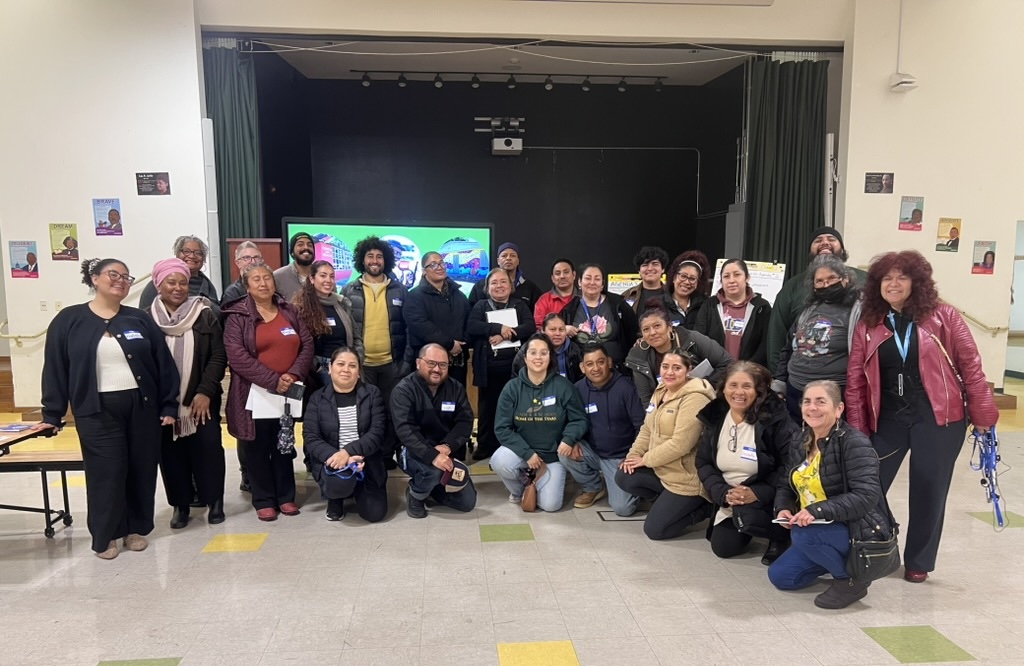
In early 2026, Urban Tilth’s Just Transition program launched a community engagement process called Not for Us, Without Us! designed to ensure that North Richmond residents directly shaped decisions about investments and projects affecting their neighborhood.
Rather than presenting predetermined solutions, the process created space for residents to define priorities based on lived experience and collective knowledge.
Community Outreach and Research
The process began with a simple but important realization: multiple plans and proposals already shape North Richmond, but most residents have never had meaningful access to them or real opportunities to influence how they are implemented.
Organizers worked with researchers and community-based partners to translate dense technical planning materials (including the Richmond Parkway Plan, Pathway to Clean Air, the Healthy Contra Costa Quality of Life Plan, and city and county climate action plans) into an accessible community review process.
Projects were organized into six focus areas:
- Active transportation
- Economic development and green jobs
- Air pollution and health
- Housing
- Climate resilience
- Transportation and infrastructure
Rather than evaluating projects by technical metrics, residents were asked to consider: Will this improve air quality? Expand job opportunities? Strengthen housing stability? Meaningfully improve daily life?
Meeting Schedule
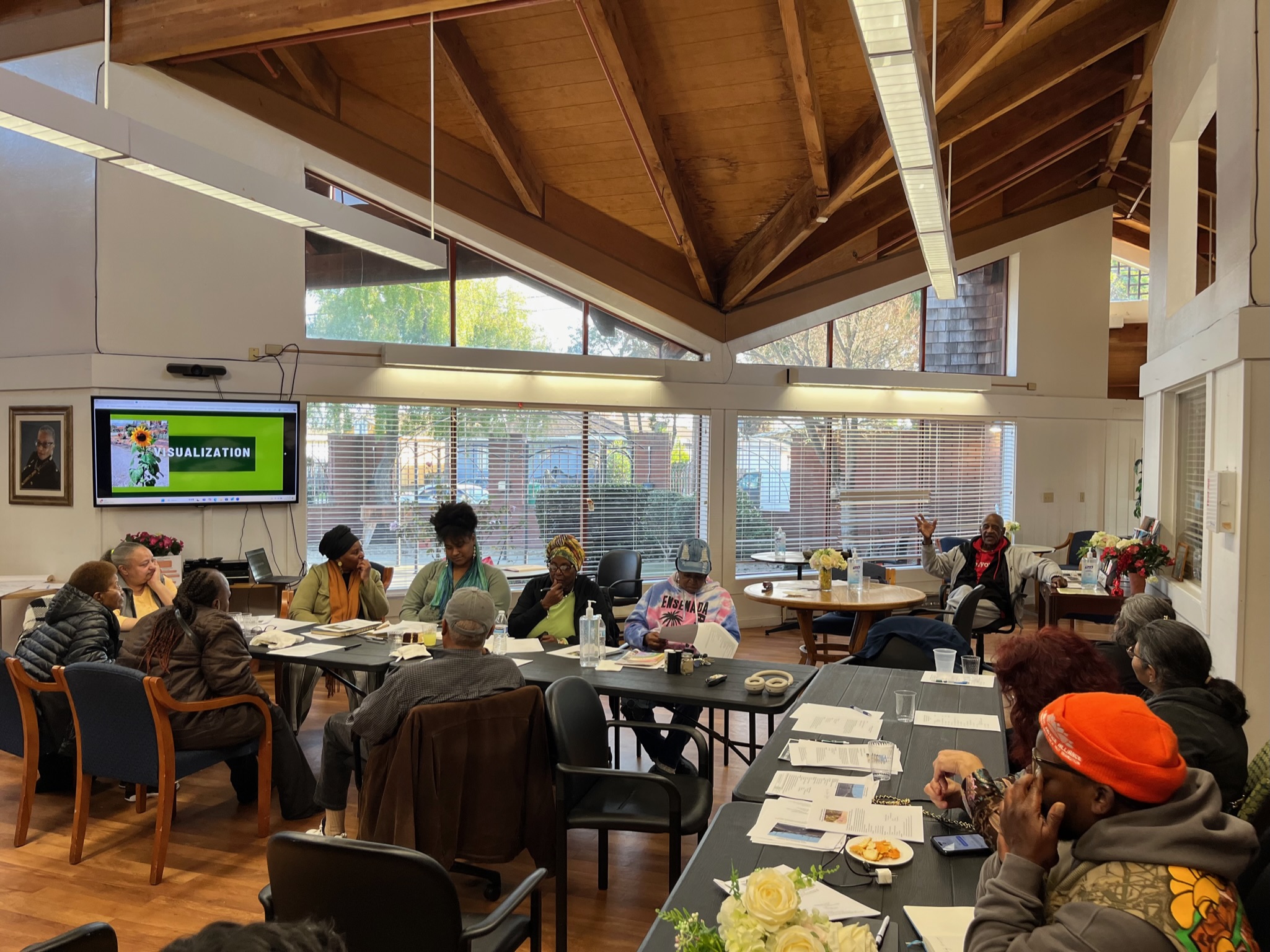
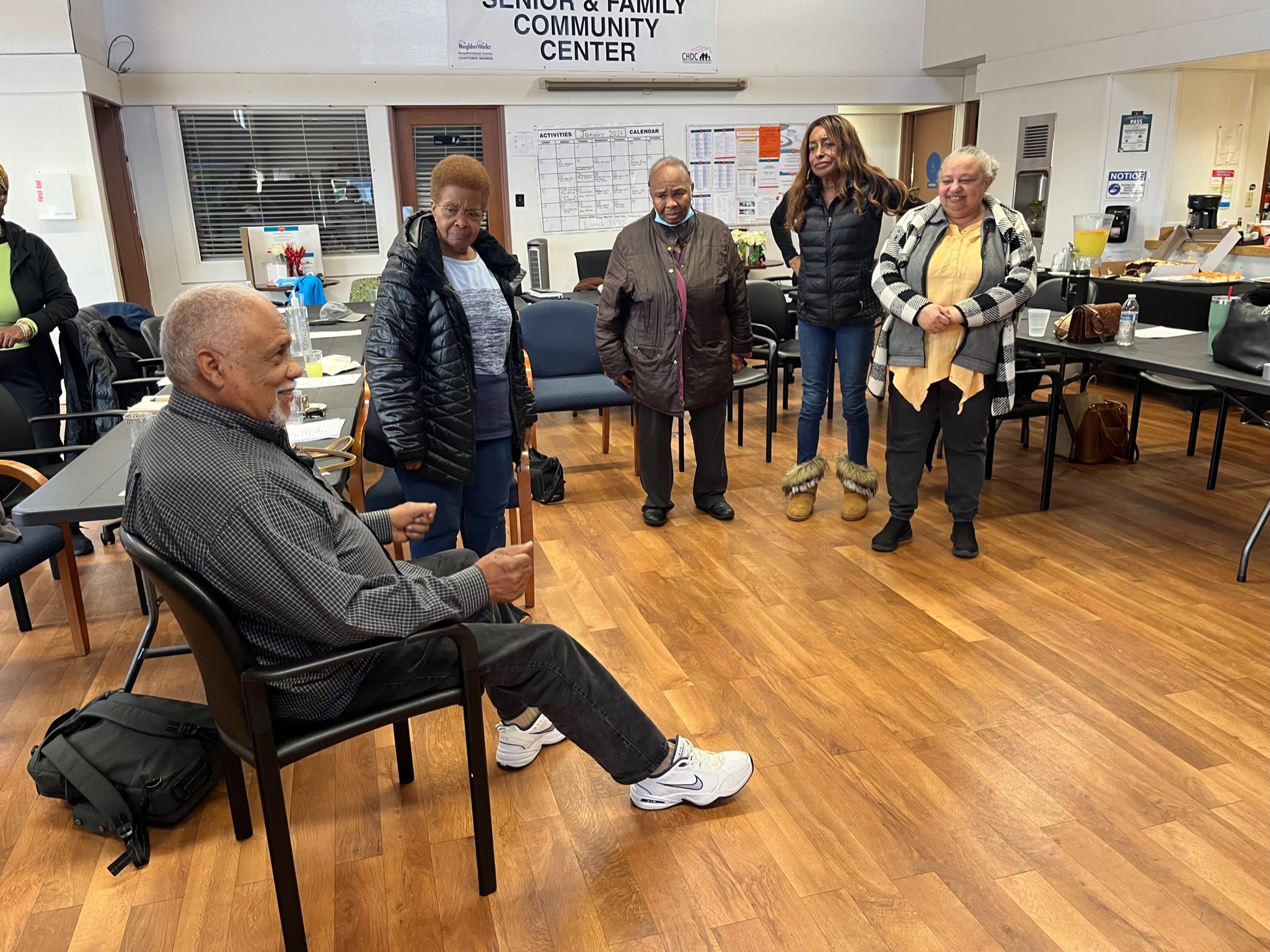
Series 1: Corrine Sain Senior Center
Meeting #1: January 21st, 1PM–4PM (8 participants)
Meeting #2: January 28th, 1PM–4PM (16 participants)
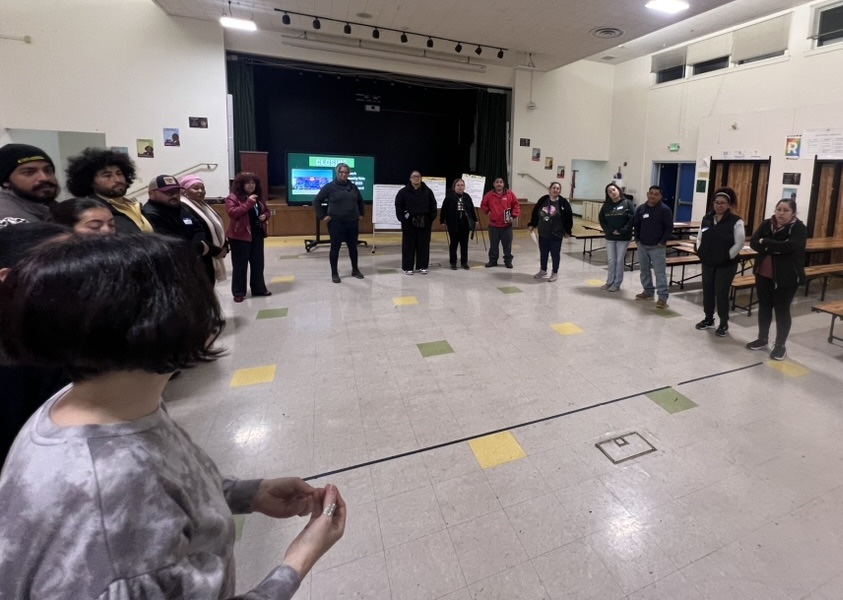
Series 2: Verde Elementary
Meeting #1: February 4th 5:30PM–7:30PM (21 participants)
Meeting #2: February 11th 5:30PM–7:30PM (25 participants)
Series 3: Zoom Webinars
Meeting #1: February 18th 5:30PM–7:30PM (15 participants)
Meeting #2: February 25th 5:30PM–7:30PM (8 participants)
What Happened at Each Meeting
Meeting 1
The first community meeting opened with the essentials: an overview of the Not for Us, Without Us! project, introductions from collaborating organizations, and clear explanations of key terms like environmental justice and just transition. Facilitators also walked residents through the funding sources at stake and the reasons these meetings mattered.
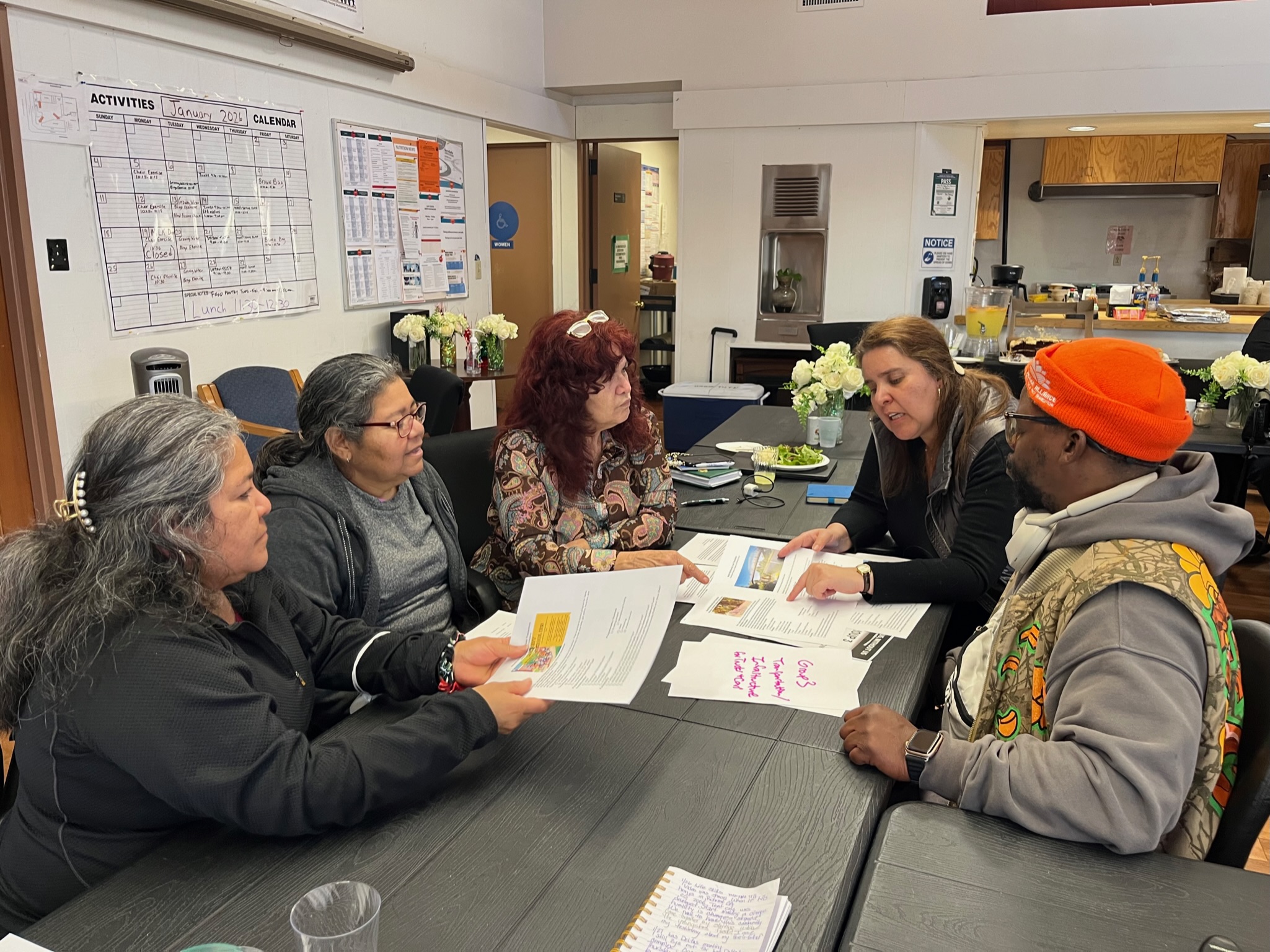
But the meeting was designed to be a two-way conversation, not a presentation. Residents had space to share what they love about North Richmond and what they want to see change. Through small group discussions, image theater, and Q&A sessions, participants connected the technical information to their own lived experience, beginning to see how the projects under consideration could affect their daily lives.
Meeting 2
The second meeting built on that foundation. Residents spent more time with the projects themselves, moving through them, discussing them with each other, and thinking through their potential impacts.
Where the first meeting brought out residents’ love of community and pride in North Richmond’s rich history, the second turned toward the harder realities. Conversations got specific: the lack of street lighting, the persistent smell from the landfill, having to leave the neighborhood just to buy groceries, concerns about air quality, the cost of housing, and the safety hazards caused by truck traffic. These were not abstract policy discussions. They were rooted in the everyday conditions residents actually live with, and that grounding is what made the project evaluation feel real and consequential.
Once residents had reviewed the existing projects, they were also given the opportunity to propose additional ones. This step was important, signaling an open invitation to shape what was on the table. Residents added eight projects in total, bringing the full list to 58 (view all projects here).
Community Vote and Celebration
The final event brought everything together.
The space was set up so people could move through the projects at their own pace, read about them, and talk with others before making their decisions. It felt less like a formal meeting and more like a community gathering with food, music, and performances throughout the day. A DJ kept the energy going. Performers from the East Bay Center for the Performing Arts shared traditional Mexican music and dance. A local resident performed gospel songs.
These moments mattered. They made the space feel familiar and welcoming, allowing residents to explore, discuss, and craft the future they want to see together.
The event was made possible through the collective effort of key partners: The Watershed Project, Community Housing Development Corporation, Supervisor John Gioia’s Office, Contra Costa County Sustainability Department, and Richmond LAND. Interpretation by Paloma Aspe supported accessibility across language needs.
*Around 53 people attended, and approximately 41 participated in the vote.
Take a deeper look into the process
Explore this project in depth and how we arrived at our Just Transition priorities by clicking below and reading the full report.
Explore the Projects
In total, 58 projects were reviewed and voted on by North Richmond residents. Find the ones that matter most to you and stay connected as they move forward.


What’s next?
Resident Leaders
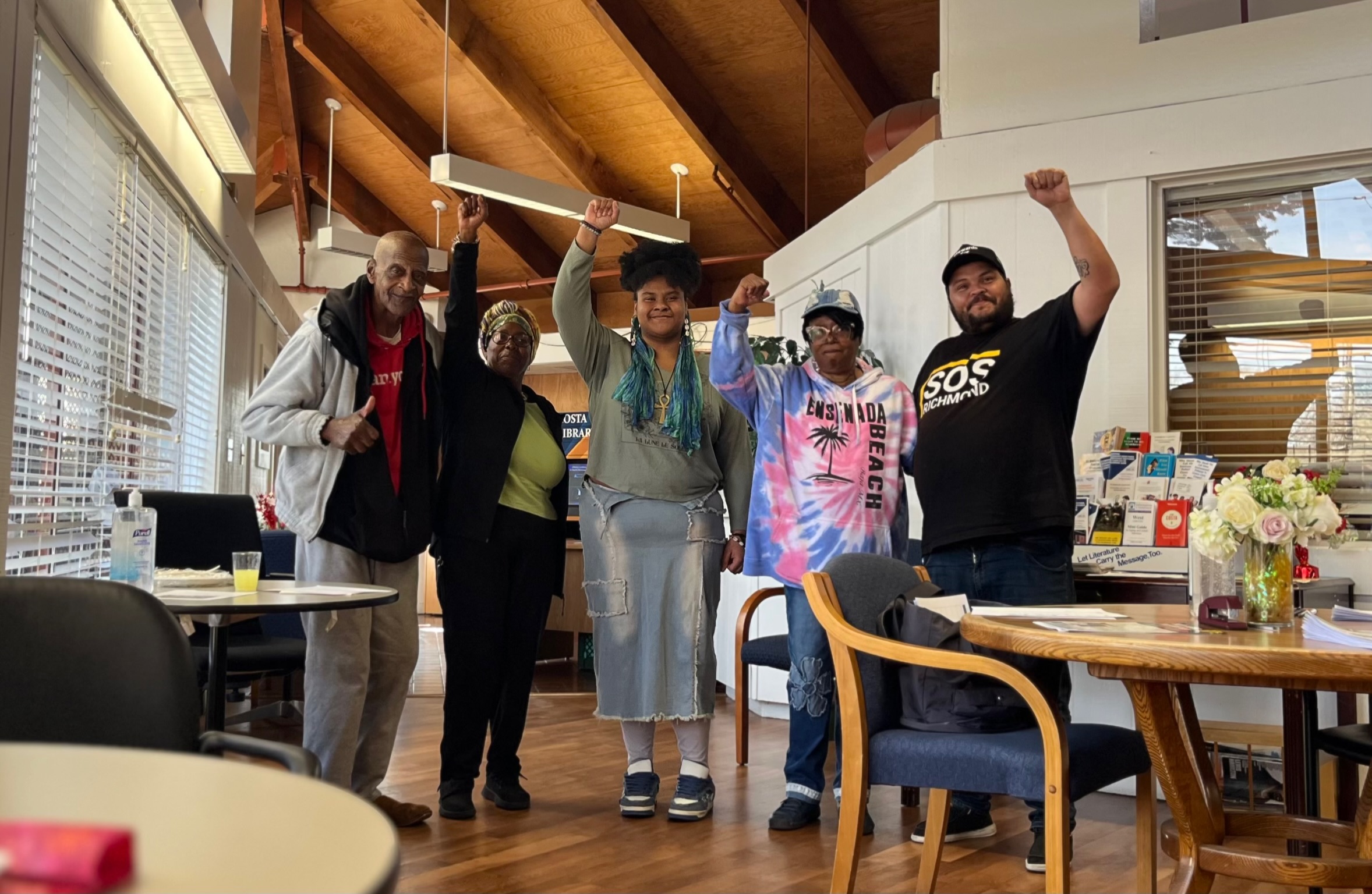
One of the clearest messages from the engagement process was this: people don’t just want to vote once, they want to stay involved.
In response, the North Richmond Resiliency Coalition is launching a Resident Leaders cohort. This group will play an active role in guiding the implementation of projects, holding partners and agencies accountable, and ensuring that the community’s vision stays centered as projects move through funding, planning, and construction.
Resident Leaders will receive training and capacity-building support, learning how to engage with city and county processes, track project development, and speak up in spaces where key decisions are made.
Programming around this effort is still taking shape, and updates will be shared as they develop.
A training opportunity through CHDC is planned for May 2026.
Become a Resident Leader Today
Step into hands-on training that builds real skills. Learn to navigate city and county processes, track projects from proposal to completion, and show up with confidence in the rooms where North Richmond’s future is decided.
Collective Fundraising
North Richmond has long faced overlapping threats to our health, our environment, and our economic stability, threats that were not created by us. Yet we are determined to dismantle them together. We believe the path forward is collective. That means refusing to let systems of scarcity pit neighbor against neighbor, all of us scrambling for the same limited resources while the root causes go unaddressed.
When we apply for funding together as a coalition, we are doing something more than filling out a funding opportunity. We are saying that our power is greatest when it is shared, that our struggles are not separate but one movement with many arms. That Funders see a united front.. And we see each other as partners, not competitors.
Collective funding also means that when resources arrive, they are distributed across the full community of change we are building, not siloed in one place while others go without. A win for one of us is a win for all of us.
We are moving these projects together, centering the priorities our community voted for. We are not waiting for someone to save us. We are building the table ourselves and making sure everyone has a seat at it.
Current funding opportunities we’re tracking
(Updated 4/28/26)
- BAAQMD Bay Repair Grant Program – Application Due May 29, 2026
- BAAQMD People’s Air Grant Program – Application Due May 29, 2026
- CNRA Prop 4 Urban Greening Grant – Tentative release date in early May 2026
- Rose Foundation – Application due June 18th
- Rapid Response Emergent Fund – Rolling Monthly Deadline
Coming Soon
Before the end of May, we will be creating and posting individual project pages for all 58 projects. Each project page will have its own photo, description, lead partner, cost information. It will also be updated regularly on funding efforts, timelines, and next steps.