
Keeping your fruit trees healthy starts with knowing what diseases to watch for. Below is a guide to common issues affecting popular fruit trees in Zone 10A, along with prevention tips to help your orchard thrive.
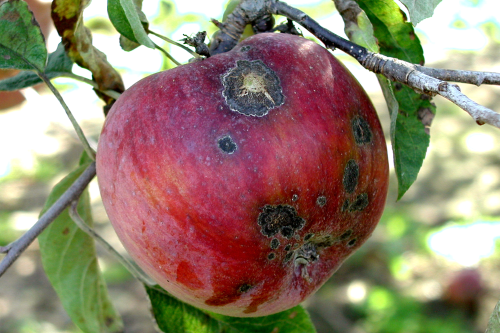
Apple trees are susceptible to several fungal and bacterial diseases. Apple scab causes dark, sunken lesions on leaves and fruit. Powdery mildew appears as white fungal growth on leaves, shoots, and fruit. Fire blight is a bacterial disease that leads to wilting, blackening, and death of shoots and branches.
Citrus trees, including oranges, lemons, and limes, can be affected by greening disease, which causes yellowing, misshapen fruit, and tree decline. Citrus canker results in lesions on leaves, stems, and fruit. Phytophthora root rot is a fungal-like pathogen that causes root decay and overall tree decline.
Peach and nectarine trees may experience peach leaf curl, which distorts leaves and gives them a reddish color. Brown rot affects blossoms, fruit, and twigs, while bacterial spot creates black spots on leaves and fruit.
Plum and prune trees can be affected by plum pox virus, causing ring spots on fruit, and brown rot, which damages fruit and twigs similar to peaches. Cherry trees may develop cherry leaf spot, with purple spots on leaves, and brown rot, which affects the fruit.
Fig trees are prone to fig rust, which produces yellow or orange spots on leaves, and root knot nematodes, soil-borne pests that cause galls on roots and affect overall tree health. Pomegranate trees can develop various leaf spot diseases from fungal pathogens and punica rust, a rust fungus that affects leaves.
General Disease Prevention Tips for Zone 10A
- Prune trees regularly to improve air circulation
- Choose disease-resistant varieties when possible
- Maintain tree health with proper watering and fertilization
- Apply fungicides or bactericides as needed
- Remove and destroy any infected plant debris